
Mulch Installation Spring
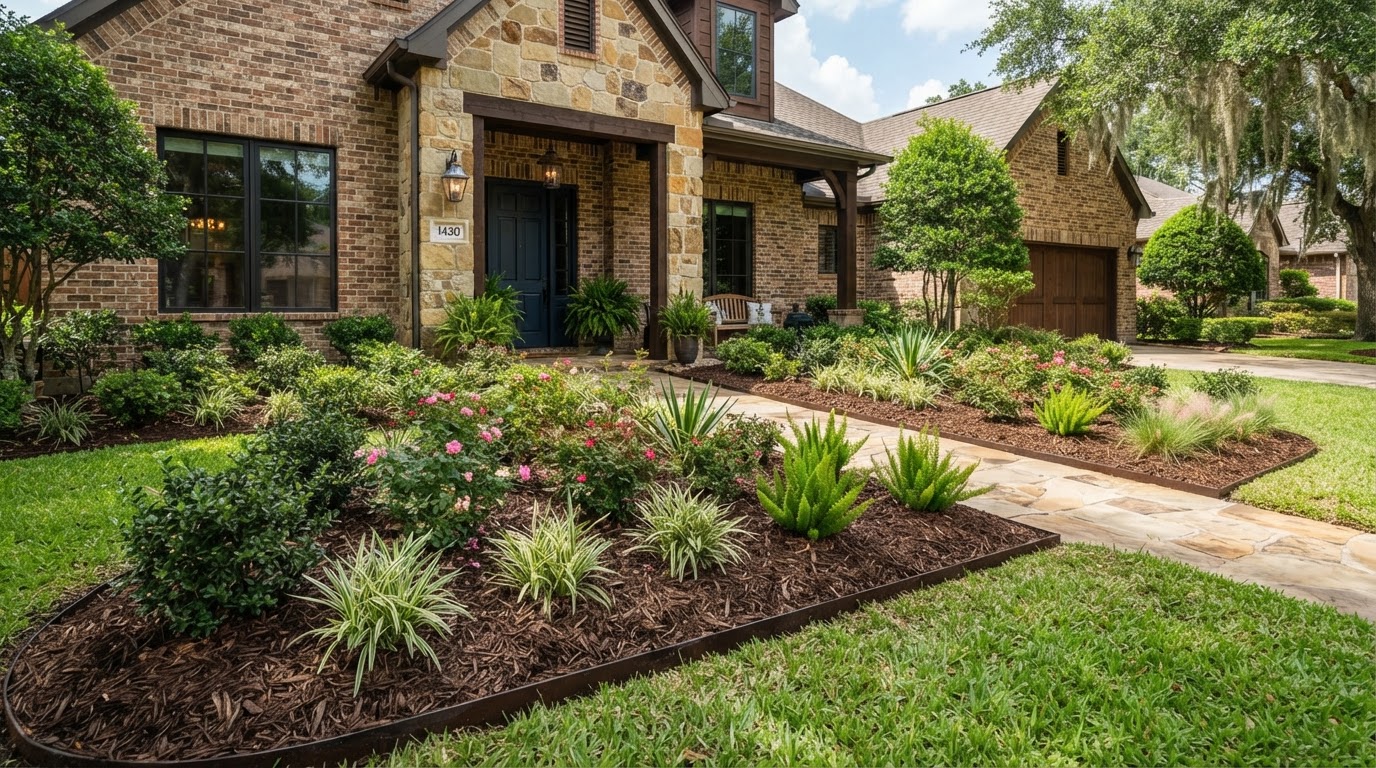
Mulch is used as a surface material in landscape beds to help conserve moisture, moderate soil temperature, reduce splash, and give beds a finished appearance. The right material, placement, and depth follow the plants in the bed, the sun and shade, the drainage, and the look you want — rather than a single product spread the same way everywhere. Mulch helps suppress some weeds but doesn't eliminate them, and it doesn't replace the irrigation or drainage the plants need.
Mulch Installation Options for Spring Landscapes
Mulch is selected and placed to suit the bed it's going into. The options below show how material, placement, and appearance follow the plants and conditions rather than a one-size approach.
Mulch for Residential Planting Beds
Foundation beds, shrub borders, ornamental planting areas, and established garden spaces all benefit from an appropriate mulch layer. The material is selected to suit the bed's plants, sun exposure, and drainage so the surface complements the landscape rather than sitting on top of it.
Organic Mulch Materials
Suitable wood-based mulches and other organic materials are the most common choices for Southeast Texas beds. Each varies in appearance, how it breaks down over time, and how it interacts with the plants beneath. Material selection follows the bed's conditions rather than a single product applied everywhere.
Mulch Around Trees and Shrubs
Mulch is spread in an even layer over the root zone without piling material against trunks or plant crowns. Building mulch up against the bark can trap moisture and encourage decay, pests, and root problems, so placement keeps the root area covered while the trunk stays clear.
Mulch Color and Landscape Appearance
Material appearance is matched to the home's landscaping and existing features so the finished beds look intentional. Dyed products aren't automatically right for every site — color and composition follow the landscape and the look you want rather than the other way around.
Planning Mulch Installation Near Spring
A bed is assessed before mulch goes in so the material, depth, and preparation match what's actually growing there. The factors below shape how the installation is planned.
Preparing Existing Beds
Preparation may involve clearing debris, managing existing weeds, reviewing bed edges, and assessing the condition of any material already in place. Old mulch that has broken down into a thin, even layer can sometimes be refreshed with a new top layer; material that has built up too deep or become matted may need to be cleared first. The approach follows the bed's current condition rather than a fixed rule that every bed starts from scratch.
Appropriate Mulch Placement
Application depth and placement are suited to the material and the plants beneath it. There's no single depth that's right for every landscape bed — the amount follows the mulch type, the bed's drainage, and what's planted in it. Mulch is kept back from trunks and crowns so the root zone benefits without trapping moisture against the bark, which can harm the plant over time.
Maintaining Mulched Landscape Beds in Spring
Mulch settles, breaks down, and shifts with weather and plant growth. The factors below show what changes over time and what shapes a mulch-installation estimate.
Mulch Versus Other Groundcovers
Mulch, pine straw, and decorative rock each suit different beds and conditions. Wood mulch forms a dense, uniform surface; pine straw offers a lighter, textured layer that settles around roots; rock is a longer-lasting but heat-retaining option. The deeper comparison of these materials belongs in a dedicated resource — here the focus is on installing the right mulch for the bed in front of us.
What Affects Mulch Installation Cost Near Spring?
- Bed area and square footage
- Existing material removal
- Bed preparation
- Mulch type selected
- Delivery and material quantity
- Property access
- Bed complexity and layout
- Cleanup and debris removal
Because these depend on the specific beds, an on-site review produces the most useful estimate rather than a flat per-yard rate. No mulch installation guarantees a permanent appearance — the material settles and breaks down over time.
Mulch Installation Questions in Spring
Discuss Mulch Installation Near Spring
Tell us about your beds — their size, what's planted in them, sun and shade, and the current groundcover — along with a few photos taken safely from the ground. We review each inquiry by location and scope before discussing material options and an appropriate installation plan.
Related Services
- Landscape Bed Maintenance
- Landscape Installation
- Front Yard Landscaping
- Pine Straw Installation
- Shrub & Hedge Trimming
- Mulch vs. Pine Straw vs. Rock
Request a Mulch Installation Estimate
Required: name, contact details, project address, desired timeline, and a photo you can take safely from the ground.