
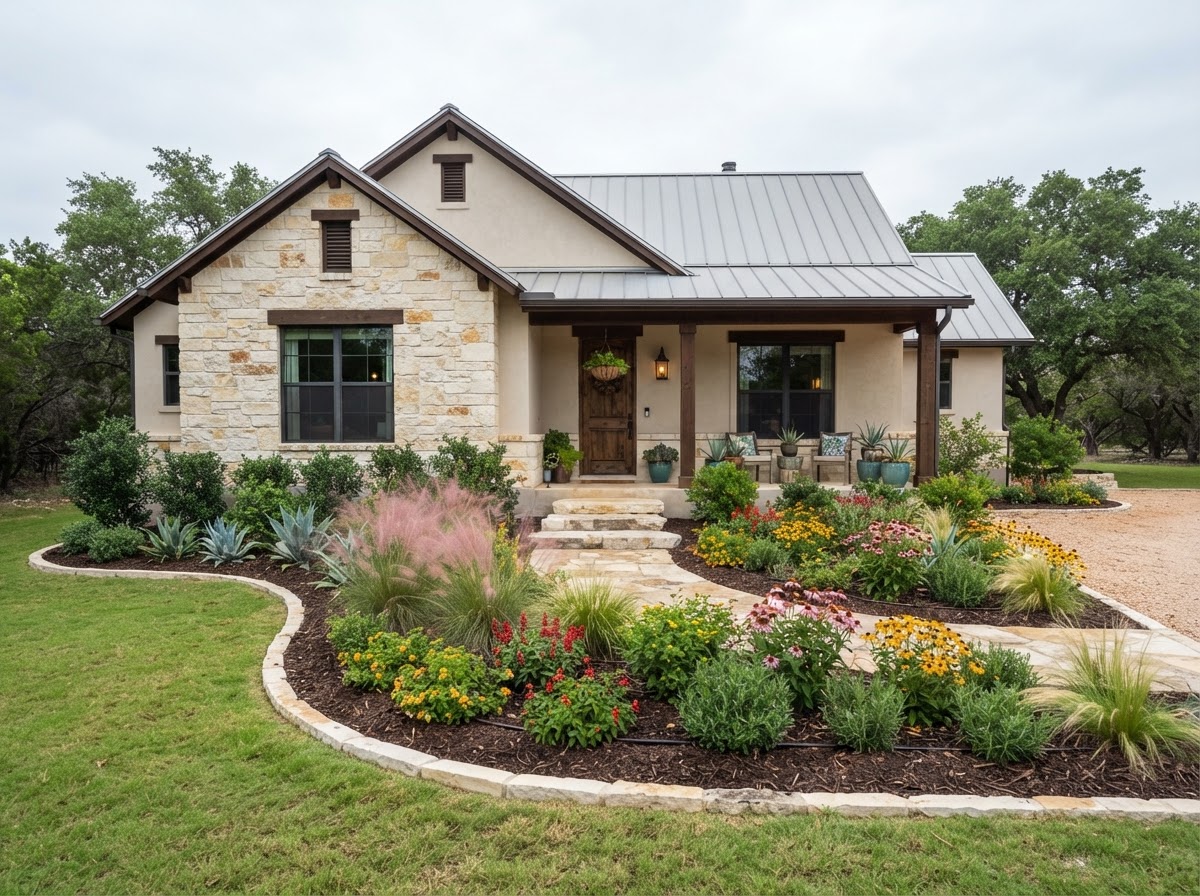
Best Plants for Montgomery County Landscapes Spring
Suitable plant selection depends on the sunlight, the drainage, the soil conditions, the mature size, the temperature exposure, the irrigation, and the maintenance expectations — not a single list that fits every yard. Heritage helps Spring and Montgomery County homeowners choose plants matched to the actual site rather than the nursery appearance alone.
Plant Options for Spring-Area Landscapes
Landscape plants fall into categories that each serve a different role — shade, structure, seasonal color, groundcover, or privacy — and the right selection matches the category to the site's sunlight, soil, drainage, and mature-size limits rather than choosing by appearance alone.
Plants for Sun, Partial Shade and Deep Shade Near Spring
Planting conditions differ across a single property — a full-sun front bed, a filtered-shade side yard, and a deeply shaded area beneath a tree canopy each suit different plants. Where specific plants are recommended, the common and botanical names are verified, the regional suitability is confirmed, the sunlight needs are identified, the mature size is explained, and the moisture, drainage, heat, and freeze considerations are noted.
| Condition | What to prioritize |
|---|---|
| Full sun | Heat tolerance, proven summer performance |
| Partial shade | Light requirement range, root competition |
| Deep shade | Shade-suited shrubs, groundcovers, non-turf options |
| Wet / slow-draining | Moisture-tolerant species or drainage first |
| Exposed / freeze-prone | Known cold limits, establishment before stress |
This is a verified selection framework rather than a ranked plant list. Specific species and cultivars are confirmed for Southeast Texas suitability before they are recommended for a property.
Montgomery County and Spring Landscape Considerations
Spring and Montgomery County properties range from newly developed lots to wooded acreage, and the soil, the tree canopy, the drainage, the heat, and the occasional hard freeze all shape which plants will thrive. Not every neighborhood follows the same planting rules, so the selection follows the actual site and any applicable HOA restrictions rather than a single regional assumption.
Selecting Plants for Your Property Near Spring
A plant chosen for its nursery appearance alone often ends up in the wrong light, the wrong soil, or a space it outgrows. Working through the conditions first keeps the selection matched to the site so the landscape establishes rather than struggles.
Mature size is one of the most overlooked factors — a shrub that fits its spot at maturity needs less pruning and performs better than one that is constantly cut back. The available space, the spacing, and the nearby structures are checked against the plant's mature size before it goes in the ground.
Plant Selection Questions in Spring
Plan Your Landscape Plant Selection in Spring
Tell us about your landscape — the property address, the sunlight, the soil and drainage, the mature-size limits, and a photo taken safely from the ground — and we review each inquiry by the actual site conditions before discussing suitable plants and an installation scope.
Authoritative Sources
Tell Us About Your Landscape
Required: name, contact details, project address, desired timeline, and a photo you can take safely from the ground.