
Landscaping Under Pine Trees & Heavy Shade Spring
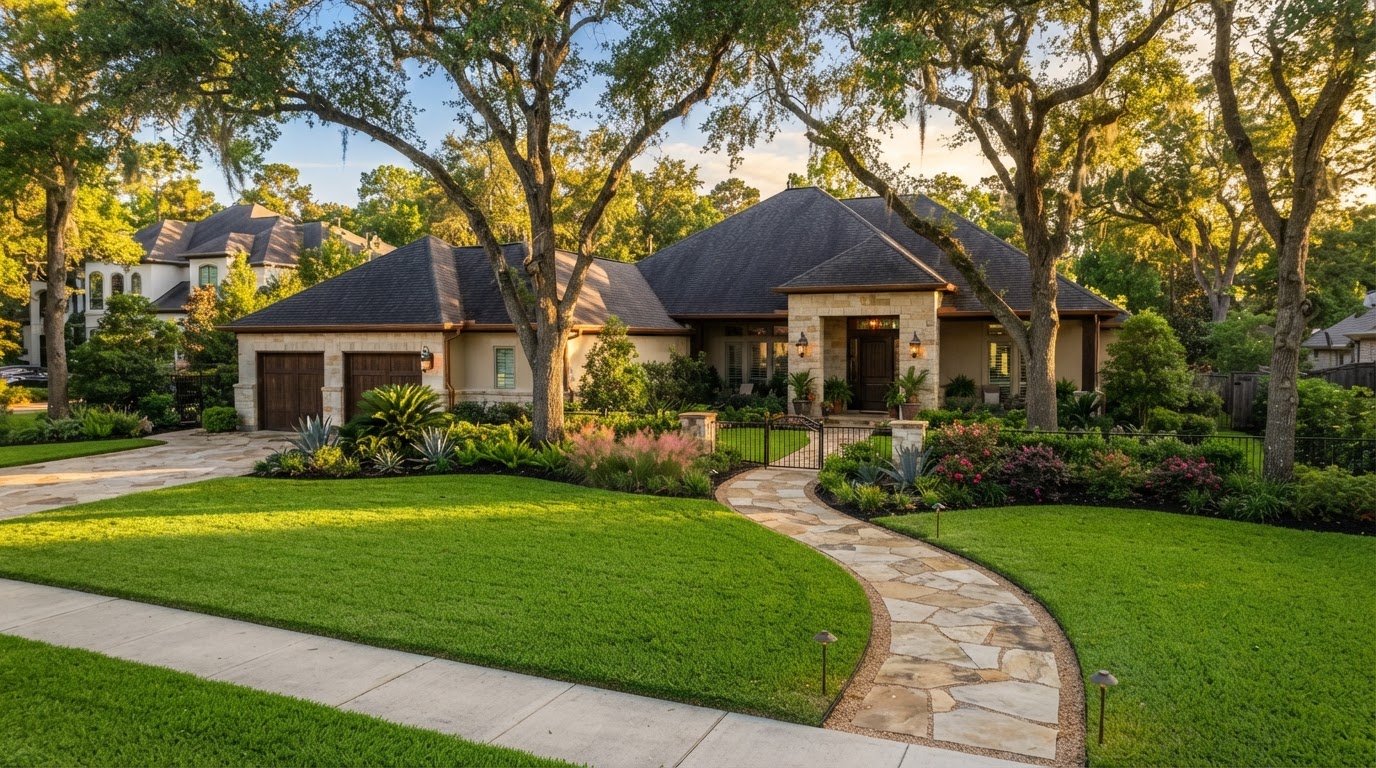
Bare ground, thinning turf, and exposed soil beneath mature pines and hardwoods usually mean the canopy and roots are winning the competition for light, water, and nutrients. Rather than fighting a lawn that thins out every season, these areas can be designed as shade landscapes — planting beds, groundcovers, mulched islands, and defined paths that work with the trees instead of against them. The right approach follows the actual sunlight, soil, and root conditions on your property, not a generic shade-plant list.
Why Landscaping Under Pine Trees Can Be Difficult Near Spring
Turfgrass struggles beneath mature trees for reasons that pile on top of each other — limited light, competing roots, dry soil, and seasonal canopy changes. Understanding what's actually working against the grass is the first step toward a landscape that holds up.
Limited Daily Sunlight
Dense canopies block the direct sun that turfgrass needs to stay thick. Where light only reaches the ground briefly — or as filtered shade — grass thins out and bare ground appears, no matter how much it's watered or fertilized.
Seasonal Canopy Changes
Deciduous trees open up in winter and close in summer, so the same area can be sunny in February and deeply shaded by June. A landscape that works year-round accounts for how the canopy shifts through the seasons rather than what it looks like on one visit.
Shallow, Competing Roots
Mature pines and hardwoods push roots through the top of the soil, competing with nearby plants for water and nutrients and making planting difficult. Beds and plants beneath them have to work with the roots, not against them.
Dry Soil Beneath the Canopy
Tree canopies shed rainfall and tree roots absorb what reaches the ground, so the soil beneath mature trees is often drier than open lawn even after a good rain. Beds and plants in these areas may need irrigation planned specifically for them.
Choosing Between Turf, Groundcovers and Planting Beds in Spring
When grass won't hold beneath the trees, the choice isn't only which grass to plant — it's whether the area should stay lawn at all. The options below range from keeping turf where it can work to building a designed landscape where it can't.
- Retain turf where light and site conditions are adequate
- Evaluate more shade-tolerant turf varieties
- Build ornamental planting beds suited to the shade
- Consider shade-appropriate groundcovers
- Use mulch or pine straw where planting is impractical
- Create stepping-stone paths or defined sitting areas
- Improve edging and transitions between turf and trees
Planning a Shaded Landscape Near Spring
A shaded area is reviewed before any installation is planned, so the landscape works with the trees, the light, and the roots rather than against them. The assessment follows what's actually happening on the property.
Shade landscape work is planned around the trees — light bed preparation, careful plant placement, and materials that don't suffocate the root zone. Heavy excavation, grade changes, or soil piled over roots can stress or harm mature trees, and mulch is kept away from trunks rather than mounded against them.
Low-Maintenance Shade Landscaping Options in Spring
Shade landscapes are lower-maintenance than a struggling lawn — but they aren't no-maintenance. Beds still need appropriate watering, cleanup, plant care, and periodic upkeep to stay attractive beneath the canopy.
Mulched and Pine-Straw Beds
A mulched or pine-straw surface defines the bed, holds moisture, and softens the ground beneath trees without competing with the roots. It's the simplest way to turn a bare, thin patch into a clean, finished part of the landscape.
Shade-Adapted Ornamental Plants
Where light allows, shade-tolerant ornamentals and groundcovers fill the bed with texture and color instead of bare soil. The plant list follows the actual light and moisture the area receives, not a generic shade-plant palette.
Defined Planting Islands
A defined bed edge around the tree — rather than turf running right up to the trunk — keeps mowers away from the bark, gives roots room, and creates a clean transition between lawn and the shaded landscape beneath.
Walkways and Stepping Stones
Where foot traffic wears through thin turf, a stepping-stone path or small paved area handles the traffic the grass couldn't, and turns a muddy shortcut into a deliberate part of the design.
What Shapes a Shade Landscaping Estimate
- Size of the shaded area
- Tree and root conditions
- Soil preparation needs
- Plant selections
- Site access
- Edging and hardscape materials
- Drainage or irrigation adjustments
Landscaping Under Pine Trees & Heavy Shade Questions in Spring
Transform Your Shaded Landscape in Spring
Tell us about the shaded area — the trees overhead, the thinning or bare ground beneath them, and how you'd like to use the space — along with a few photos taken safely from the ground. We review each inquiry by location and scope before discussing an appropriate shade-landscape plan.
Tell Us About Your Shaded Property
Required: name, contact details, project address, desired timeline, and a photo you can take safely from the ground.