
Retaining Walls Spring
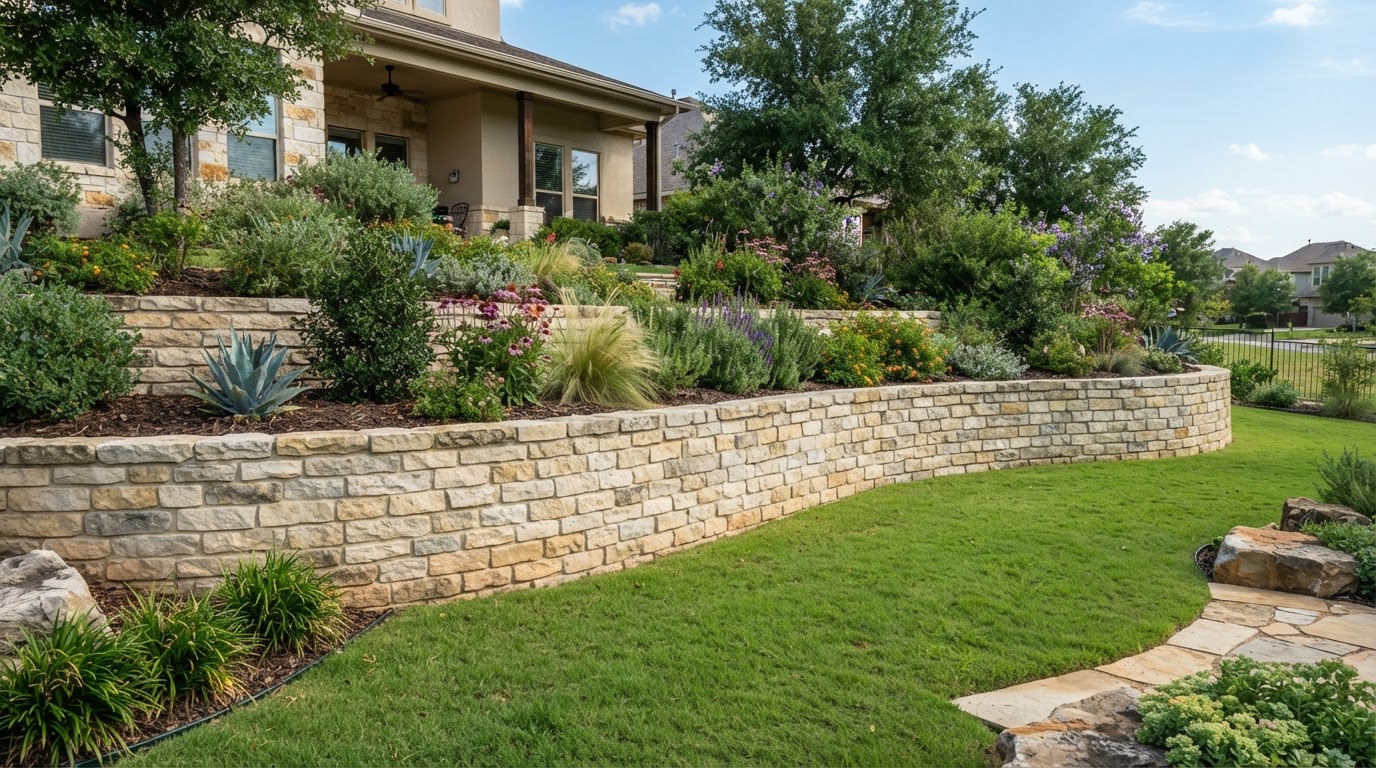
Retaining walls help address changes in ground elevation and create usable landscape transitions where a slope would otherwise limit the space. Whether a wall is right for your property — and what it needs to be — depends on the site conditions, the loading it will carry, drainage, the design, and the governing authority, so the plan follows the actual grade rather than a one-size-fits-all solution.
Retaining Wall Options for Spring Properties
Retaining walls serve different purposes, and the right type follows what the wall needs to do. The applications below cover the most common uses, with the scope built from the grade, soil, and loading on your property rather than a standard design.
Landscape Grade Transitions
Walls used in appropriately designed sloped landscape areas to manage elevation changes and create level, usable space where the grade would otherwise make the area difficult to use.
Raised Planting Areas
Retaining features that define raised planted spaces — while distinguishing decorative borders from walls that actually support significant soil loads and need to be designed for that purpose.
Patio and Outdoor Living Integration
Walls that relate to patios, walkways, and landscape layout — managing grade at the patio edge, creating raised beds alongside seating areas, or resolving the slope where the hardscape meets the yard.
Retaining Wall Materials
Segmental concrete wall systems, natural stone, appropriate engineered solutions, and other project-specific materials — each suited to different loading, height, and appearance requirements.
No single material works for every retaining condition. A low decorative landscape border and a wall supporting a significant grade change carry different loads and need different construction — the right material and design follow the actual requirements of the wall.
Planning a Retaining Wall Near Spring
A retaining wall carries soil and water pressure, so the site is evaluated before the design is set. The considerations below shape the wall so it performs over time rather than failing after the first heavy rain.
Retaining Wall Drainage
Water pressure behind a wall is one of the most common causes of failure. Drainage — through aggregate, outlets, or other methods — relieves that pressure so the wall holds up. The right approach depends on the wall height, soil, and water movement on site, not a single method applied to every wall.
Engineering and Permit Considerations
Walls of certain heights, those supporting significant loads, or those near property lines may require engineering and permits. Requirements depend on the wall, the site, and the local authority — there's no universal height at which a permit is or isn't needed, so the specific requirements are checked for the actual project.
Existing Landscape Protection
Mature trees, neighboring structures, and existing landscaping can be affected by excavation or grade changes. Root zones, foundations, and adjacent improvements are reviewed so the wall and the surrounding landscape coexist rather than one damaging the other.
Retaining Wall Planning and Maintenance in Spring
A retaining wall is a long-term structure, and its upkeep follows the material, the loading, and the conditions on site. The considerations below help a wall perform over time and help you recognize when a wall may need professional review.
What Affects Retaining Wall Cost Near Spring?
- Wall length and height
- Site grade and elevation change
- Soil conditions and bearing capacity
- Structural loading
- Engineering where required
- Drainage design and components
- Materials and finish
- Excavation and disposal
- Access for equipment
- Approval and permit requirements
An estimate reflects the specific site and wall rather than a fixed per-foot price, which is why an on-site review produces the most useful number.
Signs That a Wall May Need Professional Review
Visible movement, leaning, cracking, bulging, or drainage changes around an existing wall can indicate a problem worth reviewing. If a wall appears unstable, keep people and structures away from the area and arrange a professional inspection — a photograph alone doesn't establish structural safety, and unstable walls shouldn't be approached closely.
- Material suitability and drainage observation
- Settlement and movement over time
- Surface wear and landscaping above or below walls
- Appropriate inspection if concerns appear
Retaining Wall Questions in Spring
Discuss Your Retaining Wall Project Near Spring
Tell us about the grade change you need to manage, the area involved, and a few photos taken safely from the ground. We review each inquiry by location and scope before discussing assessment and estimate scheduling.
Related Services
- Hardscaping
- Paver Patios & Walkways
- Landscape Design
- Custom Landscape Design & Build
- Backyard Landscaping & Makeovers
- Drainage Solutions & French Drains
Request a Retaining Wall Estimate
Required: name, contact details, project address, desired timeline, and a photo you can take safely from the ground.